
If you are a tea lover, it’s likely that you’ve tried all the classics: green tea, black tea, herbal and even some of the fruity options available, but have you tried white tea before? As we enter the hotter months, we thought we’d showcase white tea, as it serves as a fantastic summer tea.
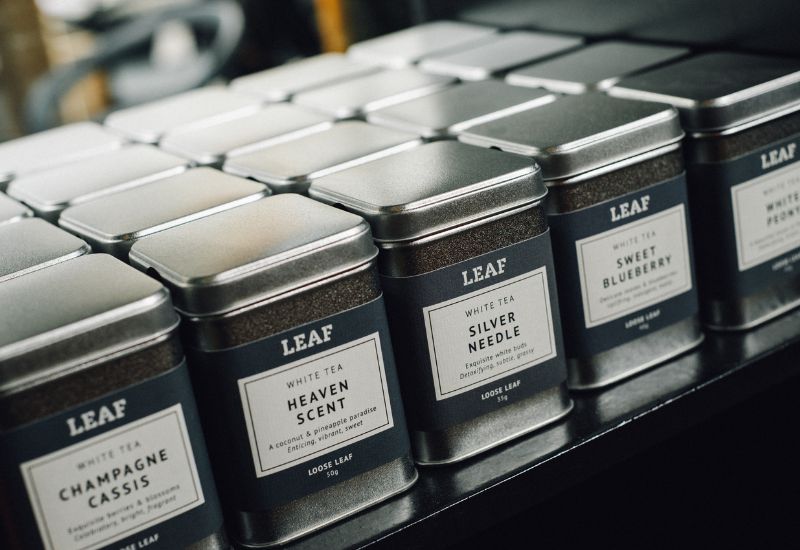
White tea is the unsung hero of the tea world, with a delicious, unique taste and plenty of health benefits. At Leaf, we are proud to stock a range of white teas, and in this guide, we are going to jump into some of its key benefits and the history of white tea.
Keep reading to find out more.
The History of White Tea
White tea has an incredibly rich history, dating back to the Tang (618-907) dynasty and originating from China’s Fujian province, so when you have a cup of white tea, it really does feel as though you’re having a sip of history.
White tea is a tea that was favoured by royalty, with it being harvested from young buds and then reserved strictly for the emperor during the Song dynasty, so you could say that it’s a pretty special tea.
The way the tea is prepared has gone through a transformation in modern years. In the past, the tea would be stripped of its outer leaf, dried and ground into a white powder that was then whisked into water – think matcha tea.
These days, it’s sold as a loose leaf, allowing drinkers to get the most out of the tea.
What Makes White Tea Different?
What really makes white tea unique among teas is that it is the least processed of all tea types. It undergoes no oxidation, making it naturally delicate, sweet and high in antioxidants.
White tea is only withered and dried, avoiding the roasting or steaming used in other teas, which gives it its delicious floral taste and helps lock in all the brilliant nutrients and antioxidants that the tea has become famous for. If you want to learn more about the broader benefits of loose leaf tea, we’ve covered that in depth on our site.
The Health Benefits of White Tea
One of the reasons why we are so passionate about white tea is that it has a range of fantastic health benefits, some of which include:
Packed with Antioxidants to Support Your Immune System
White tea undergoes minimal processing, allowing it to retain high levels of polyphenols and catechins. These compounds are highly beneficial for your body as they help protect against cellular damage and free radicals, contributing to overall health. Antioxidants like polyphenols play a critical role in neutralising harmful oxidative stress, which can lead to chronic diseases such as cancer and heart disease.
Incorporating white tea into your routine is an easy way to enhance your body’s health and provide essential antioxidants. If you’re specifically looking for teas filtered by this benefit, you can shop teas by their antioxidant properties. Regularly drinking white tea can significantly benefit your immune system. The antioxidants found in white tea, particularly catechins, help to strengthen the body’s defences by combating free radicals and reducing oxidative stress.
Some studies suggest that white tea can enhance the activity of immune cells, which helps your body respond more effectively to pathogens and fight off illnesses.
Good for Heart Health
Another benefit of drinking a tea so packed with antioxidants is the impact it can have on your heart. The high levels of antioxidants found in white tea reduce inflammation, relax your blood vessels, and lower bad cholesterol, supporting your overall heart health.
Introducing white tea as part of your routine is an easy and enjoyable habit that can have long-term payoff and support your heart health as you age.
White Tea Supports Healthy Skin
A common misconception is that achieving smooth, clear, and wrinkle-free skin as you age relies solely on creams, serums, and other skincare products. However, maintaining healthy skin is not just about what you apply externally; it also involves what you ingest. Diet and overall health play significant roles in skin maintenance.
Drinking teas rich in antioxidants helps protect your skin’s collagen and elastin from damage, helping maintain a firm appearance and combat signs of ageing. white tea also has anti-inflammatory properties, helping to reduce inflammation and redness while soothing the skin. Our Heaven Scent white tea is a particularly popular choice for those drawn to delicate, skin-friendly floral blends.
Calm Energy Without the Jitters
When you have a cup of tea, more likely than not, you’d want a caffeine boost alongside it, but there is nothing worse than enjoying a cup of tea or coffee and then having to deal with the jitters caused by the caffeine.
White tea does contain caffeine, but in much lower amounts than standard green or black tea. This allows you to enjoy a mild energy boost without the jitters and subsequent crash that often come with higher-caffeine drinks. If you’re looking for teas specifically chosen for their energy benefits, you can browse our energy teas.
Can You Drink White Tea Every Day?
Not only can you drink white tea every day, but it is actually recommended that you have a couple of cups a day to make the most of white tea’s health benefits. Studies suggest that drinking several cups of white tea daily can have a significant impact on your cardiovascular health and help fight cellular ageing.
It is still important to remember that white tea contains caffeine, so if you are sensitive to it, we recommend limiting your daily intake. If you’d like to start introducing white tea into your diet, but you don’t want to worry about having to repurchase your supply, make the most of the Leaf tea subscription and get a supply of delicious white tea sent directly to your doorstep.
White Tea Vs Green Tea
Though both white and green tea come from the Camellia Sinensis plant, the difference in how the two teas are prepared makes a significant difference between them.
Taste
Because white tea is far less processed, it has a more delicate, sweet, and floral taste, while green tea is often described as grassy, nutty, and bold. This is all down to how the two teas are processed and to the point in the growth cycle at which the tea plants are harvested.
Processing Methods
The processing of white tea involves minimal handling and oxidation, preserving the leaves’ natural qualities, while green tea undergoes steaming or pan-firing to halt oxidation, resulting in distinct flavours.
Appearance
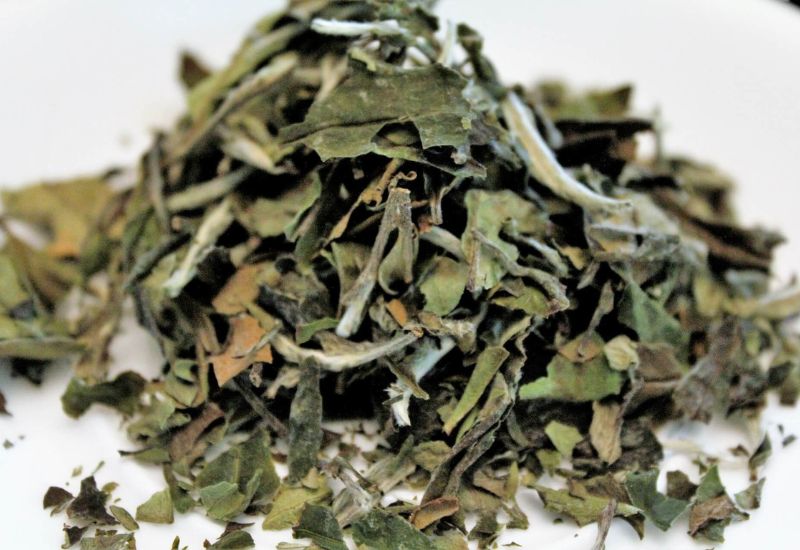
White tea leaves are typically covered with fine white hairs, giving them a silvery appearance, whereas green tea leaves are usually vibrant green and can range from whole leaves to powdered forms, like matcha. Our Silver Needle is a great example of this classic white tea style.
Brewing Techniques
White tea is best brewed at lower temperatures (around 160-185°F) for longer steeping times, while green tea usually requires slightly hotter water (around 175-185°F) and shorter brewing periods to avoid bitterness. For more tips on getting the best from your brew, take a look at our brewing guides.

Caffeine Content
While both types contain caffeine, white tea generally has less due to its minimal processing and younger leaves. Green tea, on the other hand, can vary widely in caffeine content based on the processing method and specific variety.
Unlock the Power of White Tea With Leaf Tea
So there you have it, everything you need to know about the wonder brew – white tea. At Leaf, we’re passionate about all of the teas we sell and truly do see tea as something beyond just a delicious, flavour-packed drink. White tea has a number of fantastic health benefits that just can’t be ignored, and if you’re looking for something new to try, white tea definitely needs to be considered.
Want to try it for yourself or learn more about white tea? Get in touch today.