Lapsang Souchong: A Complete Guide to the World’s Smokiest Tea
Autumn has officially arrived, which means it’s time to say goodbye to heatwaves and 10 pm sunsets and hello to cosy nights in, soup for tea and comfy jumpers.
With the days getting shorter and colder, there’s nothing better than getting into your favourite fluffy socks and curling up with a warming cup of tea.
While some think that pumpkin spice is the quintessential tea of autumn, we’re here to introduce a new contender: Lapsang Souchong. It’s earned its place on our list of the best teas to try this autumn, and once you’ve tried it, you’ll see why.
Smokey, warming and absolutely delicious, Lapsang Souchong makes the perfect autumnal drink, but it hasn’t reached the popularity it deserves just yet.
At LEAF, we like to think we know a little something about good teas, and this one really is the perfect, cosy cup. Keep reading to find out more.
What is Lapsang Souchong?
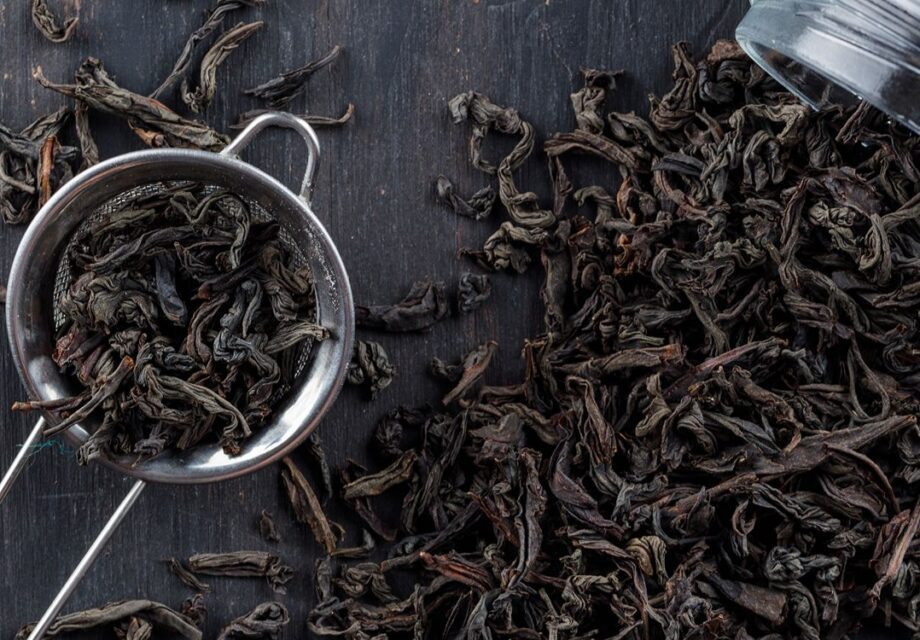
Lapsang Souchong is a unique type of black tea from China’s Wuyi Mountains, long considered the birthplace of black tea. Lapsang Souchong black tea is made from mature Camellia Sinensis leaves, picked from the lower part of the plant and is a truly unique tea.
The tea isn’t just enjoyed as a delicious brew; it’s used in cooking, smoking meats and even in the production of some alcohols.
How is Lapsang Souchong Pronounced?
A question that we often get is how the tea is pronounced. The proper pronunciation of Lapsang Souchong is ‘lop-song soo-chong’, which we’re sure many of you are scratching your head at.
How It’s Made
Lapsang tea is made using traditional Chinese methods. Mature tea leaves are harvested, and these leaves are then withered and rolled. Once rolled, the leaves are placed in a warm, humid room to oxidise, which makes the leaves turn a reddish-brown colour and develop rich, sweet flavours.
The leaves are then dried and smoked over pine wood fires in a specialised smokehouse. They’re usually placed in bamboo baskets on the floors of the smokehouse, where they’re exposed to dense smoke from burning pine roots and branches, which deeply penetrates the leaves and gives them their signature campfire aroma.
The tea is then sold as loose-leaf or Lapsang Souchong tea bags.
What Does it Taste Like?
Lapsang Souchong tastes like Autumn. It has a powerful, pungent scent, matched with a bold, intense smoky flavour profile reminiscent of pine and wood fires, with undertones of dried fruit and malt. Despite its strong flavour, it has an incredibly smooth finish, revealing sweet notes and far less bitterness than other black teas.
The tea can be like Marmite, with some absolutely adoring it, while others find it too strong. If you’re not sure which camp you fall into, a tea taster box is a low-commitment way to find out.
However, if you like strong, comforting flavours that bring back memories of Bonfire Night and autumnal evenings, you’ll absolutely love this tea.
Is Lapsang Souchong Banned in the UK?
There is a common misconception that Lapsang Souchong is banned in the UK, but that’s not true.
The EU tightened regulations on polycyclic aromatic hydrocarbons (PAHs) in smoked products, including smoked tea, smoked fish, and meats. Some producers struggled to meet the new limits, leading to products being removed from shelves and mistakenly reported as a ban. In reality, there was no ban.
Producers responded by using indirect smoking methods and lighter roasting to stay compliant. For example, Twinings discontinued their Lapsang teas in 2023 and replaced them with a product called Distinctly Smokey, which upset many loyal customers and likely fueled rumours.
Many traditional Chinese producers have had to adjust their smoking methods to match safety limits.
How to Brew Lapsang Souchong
To brew Lapsang Souchong, you can use either loose-leaf tea or tea bags, but for the best taste, we recommend loose-leaf tea. You can also brew it in a mug with a strainer or in a teapot, but we recommend a teapot for a deep, rich flavour.
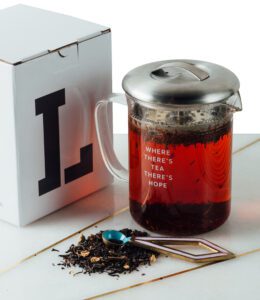
If you want the full run-down on temperatures and timings for every tea in our range, our brewing guides have you covered.
Temperature
To get the best taste and enjoy the full-bodied, rich campfire flavour, boil your water to 100°C. Because the tea is so robust, it needs high heat to fully extract its distinct, pinewood-smoked flavours.
However, if you want to dial back the tea’s intense smokiness, use water just off the boil for a more subdued flavour.
Leaf Quantity
If you’re using loose-leaf Lapsang Souchong, use about 1 rounded teaspoon per 200-250ml of water. Because the tea is so strong, you don’t need much to enjoy the full-bodied flavour, which means that you can get a lot out of every purchase. It’s just one of the many benefits of loose leaf tea.
Steep Time
Steep time really depends on your personal palate. If you want a strong brew, we suggest steeping the tea for around 3-5 minutes; for a less smoky flavour, steep for 2-3 minutes.
Milk or No Milk
Now, enjoying Lapsang Souchong with or without milk is a big topic of debate. ‘Purists’ prefer to have the drink without milk, so that they can fully appreciate its bold, pine-smoked flavour profile.
However, if you want to mellow the smokiness, a splash of milk cuts through the tea’s intensity and is preferred by people who want to soften the strong taste.
What’s the Caffeine Content of Lapsang Souchong?
The caffeine content of Lapsang Souchong is lower than a cup of coffee, averaging 27 mg to 60 mg per standard cup, depending on how much tea you use.
This is lower than other black teas and gives you that much-needed pick-me-up without the jitters often experienced by coffee drinkers.
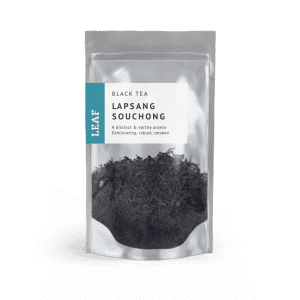
Uncover the Taste of Lapsang Souchong With Leaf
So there you have it, everything you need to know about . This delicious tea embodies everything autumnal, and if you’re looking for a cosy, yet flavoursome tea to enjoy as the nights get colder, this is the tea for you.
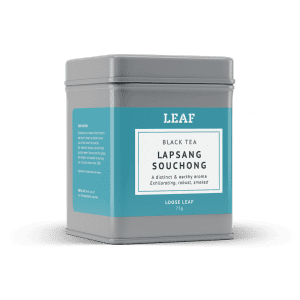
We are proud stockists of the tea at LEAF, and we know that our Lapsang Souchong is absolutely delicious. It also makes a brilliant Christmas gift for the smoky tea lover in your life.
Get in touch if you have any questions about the tea, or purchase it today if you’re ready to try it for yourself.